
Bleeding That Doesn’t Follow the Rules
Normal menstrual bleeding follows a pattern — roughly the same timing, roughly the same flow, every month. When bleeding happens outside that pattern — heavier than expected, between periods, after sex, or after menopause — it deserves attention.
Abnormal uterine bleeding (AUB) is one of the most common reasons women come to see me, and there’s a very wide range of possible causes — from simple and benign to something that needs urgent investigation. The important thing is not to dismiss it.
The Different Types of AUB
- Heavy menstrual bleeding (menorrhagia): Soaking through a pad every hour or two, large clots, lasting more than 7 days
- Irregular timing: Periods coming unpredictably — every 2 weeks sometimes, skipped other months
- Intermenstrual bleeding: Spotting or bleeding between regular periods
- Postcoital bleeding: Bleeding after sexual intercourse
- Postmenopausal bleeding: Any vaginal bleeding after 12 consecutive months without a period — this always needs urgent investigation
The Most Common Causes
Structural Problems
Polyps: Small fleshy growths in the uterine cavity or on the cervix. Very common, usually benign, but they cause irregular bleeding and impair fertility. Easily removed via hysteroscopy.
Fibroids: Especially submucosal fibroids (inside the cavity) — classic cause of heavy periods. Treatment depends on size and location.
Adenomyosis: Uterine lining tissue growing into the muscle wall — causes heavy, painful periods with a “boggy” enlarged uterus. Managed with hormonal treatment or, in severe cases, surgery.
Hormonal Causes
Irregular ovulation (from PCOS, thyroid disease, perimenopause, or stress) causes an unpredictable PCOS and hormonal causes hormonal environment — leading to irregular, sometimes heavy bleeding. Often managed with hormonal treatment once the underlying cause is identified.
Medication-Related
Blood thinners (anticoagulants), certain antidepressants, and hormonal contraceptives can all cause abnormal bleeding patterns.
Always Worth Ruling Out
Endometrial cancer (uterine cancer) presents with abnormal bleeding — particularly heavy bleeding in postmenopausal women or women over 45. It’s not common, but it’s the reason abnormal bleeding should always be properly investigated rather than assumed to be benign.
What Investigation Involves
- Transvaginal ultrasound — first-line test, assesses the uterus and ovaries
- Blood tests — hormonal panel, thyroid, blood count (to check for anaemia)
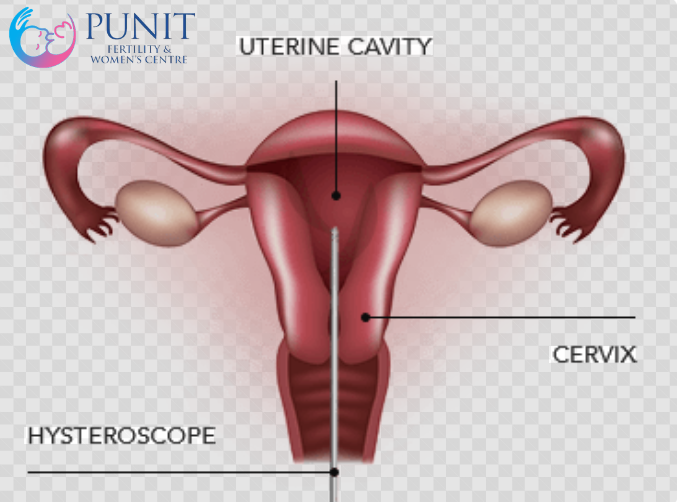
- Hysteroscopy — direct view inside the uterine cavity when ultrasound is insufficient
- Endometrial biopsy — tissue sample from the uterine lining when cancer needs to be ruled out
Don’t Wait to Be Seen
At Punit Fertility & Women’s Center, Kandivali Mumbai, we provide prompt, thorough evaluation of abnormal uterine bleeding with all diagnostic and treatment options available in one place.
👉 Book an evaluation for abnormal uterine bleeding at Punit Fertility