
The Treatment That Gets Overshadowed by IVF
In a world where everyone talks about IVF, IUI often gets overlooked. It doesn’t have the drama of egg retrieval, the complexity of the lab, or the big price tag. And maybe partly because of that, it doesn’t get the credit it deserves.
But at Punit Fertility, some of the most gratifying outcomes I see are couples who came in convinced they’d need IVF — and who conceived on their first or second IUI cycle.
Here’s when IUI works, how it works, and what you can realistically expect.
What IUI Actually Does
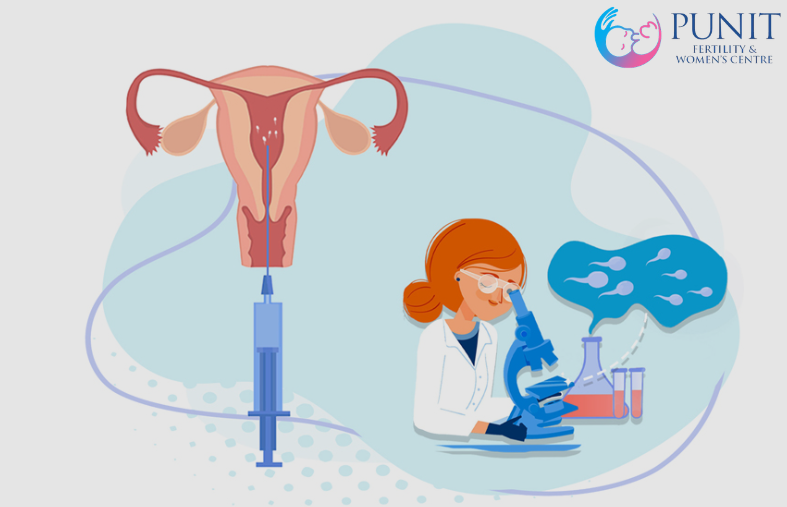
The procedure itself is simple: after carefully washing and processing a sperm sample (which concentrates the motile sperm and removes debris), we use a thin flexible catheter to place the sperm directly into the uterus, precisely timed to coincide with ovulation.
This achieves two things that natural intercourse can’t always guarantee:
- The sperm bypasses the cervix entirely — important when cervical mucus is hostile or a structural issue exists
- We place millions of concentrated, processed sperm exactly where they need to be, at exactly the right time
Combined with ovulation induction medication (to ensure we know exactly when ovulation is happening), it’s a precisely timed, concentrated effort at conception.
The Couples Who Do Best With IUI
In my experience, IUI consistently delivers good results for:
Unexplained Infertility (Under 35)
When everything looks normal but pregnancy isn’t happening, IUI is often the most logical first step. It improves the probability per cycle without the cost and complexity of IVF.
Mild Male Factor
Borderline semen analysis — slightly low count, slightly reduced motility — responds well. The processing step concentrates the best sperm, and direct uterine placement means they start closer to the finish line.
PCOS With Ovulation Problems
Combining ovulation induction (Letrozole or FSH injections) with IUI has very solid success rates in PCOS PCOS and ovulation. We grow the follicle, trigger ovulation precisely, and place prepared sperm at the right moment.
Cervical Factor
Bypassing the cervix entirely removes this variable from the equation.
What IUI Can’t Do
IUI won’t work if the fallopian tubes are blocked — the sperm still needs to travel through the tube to meet the egg. It’s also less effective for severe male factor infertility, advanced age, or significantly diminished ovarian reserve. In those cases, IVF is the more appropriate path from the start.
Success Rates: Being Honest
Per cycle: 10–20%, depending on your age and diagnosis. Over 3–4 cycles: cumulative success rate of 30–40% in good candidates. That’s a meaningful number — particularly when compared to the cost and complexity of going straight to IVF.
Start Where You Should — Not Where You’re Scared
At Punit Fertility, Kandivali Mumbai, we don’t push couples toward IVF when IUI is the appropriate starting point. We recommend what’s right for your specific situation.