
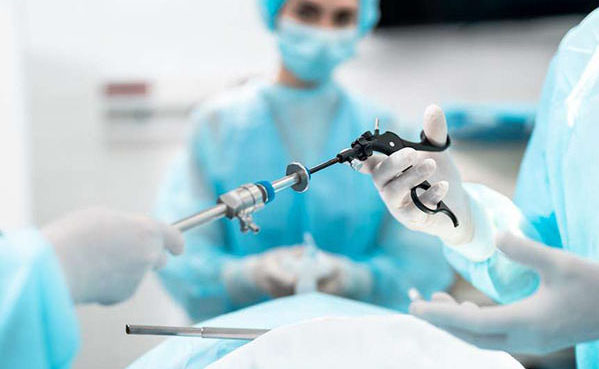
In the realm of modern surgical advancements, laparoscopic surgery has emerged as a game-changer, offering patients a minimally invasive alternative to traditional open surgeries. Mumbai, a city at the forefront of medical innovation, boasts a wealth of world-class healthcare facilities that perform laparoscopic surgeries with unparalleled expertise. This blog delves into the intricacies of Laparoscopic surgery in Mumbai, demystifying the process and highlighting the benefits it offers to patients seeking cutting-edge surgical solutions in the vibrant metropolis of Mumbai.
The Evolution of Laparoscopic Surgeon In Kandivali
Laparoscopic surgery, also known as minimally invasive surgery, has revolutionized the medical field by introducing a less invasive approach to surgical procedures. Traditionally, open surgeries required large incisions, leading to longer recovery times, increased risks of complications, and more extensive scarring. However, with the advent of laparoscopic techniques, surgeons can now perform complex operations through small incisions, utilizing specialized instruments and a high-resolution camera.
The journey of laparoscopic surgery can be traced back to the early 20th century when it was first used for diagnostic purposes. Over the decades, technological advancements and the refinement of surgical techniques have transformed laparoscopic surgery into a widely accepted and preferred option for a diverse range of procedures, including gynecological, gastrointestinal, urological, and even cardiothoracic surgeries.
The Benefits of Laparoscopic Surgery
Laparoscopic surgery in Kandivali offers numerous advantages over traditional open surgeries, making it an attractive option for patients seeking minimally invasive treatment options. Here are some of the key benefits of laparoscopic surgery:
- Smaller Incisions: Laparoscopic surgeries involve making small incisions, typically less than an inch in length, resulting in minimal scarring and a faster healing process.
- Reduced Pain and Discomfort: Since laparoscopic surgeries involve smaller incisions, patients experience less post-operative pain and discomfort compared to open surgeries, leading to a quicker recovery and a reduced need for pain medication.
- Shorter Hospital Stay: Due to the minimally invasive nature of laparoscopic procedures, patients often require a shorter hospital stay, allowing them to return home and resume normal activities more quickly.
- Lower Risk of Complications: Laparoscopic surgeries are associated with a lower risk of complications, such as infection, bleeding, and hernias, compared to open surgeries, as the smaller incisions reduce trauma to the body.
- Improved Cosmetic Results: The small incisions made during laparoscopic surgeries result in minimal scarring, providing better cosmetic results and enhancing patient satisfaction.
- Faster Recovery Time: Patients who undergo laparoscopic surgeries often experience a faster recovery time compared to those who undergo open surgeries, allowing them to return to their normal routines and activities sooner.
Preparing for Best laparoscopic surgeon in Kandivali: What to Expect
While laparoscopic surgery offers numerous benefits, it’s essential for patients to understand what to expect before, during, and after the procedure. Here’s a comprehensive guide to help you prepare for your laparoscopic surgery journey:
- Pre-operative Consultation: Your surgeon will conduct a thorough evaluation, review your medical history, and discuss the details of the procedure, including risks, benefits, and expected outcomes. This is an excellent opportunity to ask questions and address any concerns you may have.
- Pre-operative Instructions: Your healthcare team will provide you with specific instructions regarding diet, medication, and other preparations necessary before the surgery. Following these instructions carefully is crucial for a successful procedure and recovery.
- During the Procedure: Laparoscopic surgeries typically involve making several small incisions in the abdomen or other areas, depending on the type of procedure. The surgeon will insert a laparoscope (a thin, lighted tube with a camera) and specialized surgical instruments through these incisions to perform the operation while viewing the internal structures on a monitor.
- Post-operative Care: After the surgery, you will be closely monitored in a recovery area until the effects of anesthesia subside. Your healthcare team will provide instructions for post-operative care, including pain management, activity restrictions, and follow-up appointments.
- Recovery and Rehabilitation: The recovery period after laparoscopic surgery is typically shorter compared to open surgeries. However, it’s essential to follow your surgeon’s recommendations for rest, wound care, and gradual resumption of normal activities to ensure a successful recovery.
Embracing the Future of Minimally Invasive Surgery
As medical technology continues to evolve, laparoscopic surgery is poised to become even more advanced and refined. Menopausal Clinic in Kandivali are actively pursuing cutting-edge innovations in minimally invasive surgical techniques, such as robotic-assisted laparoscopic surgery and single-incision laparoscopic surgery (SILS).
Robotic-assisted laparoscopic surgery utilizes advanced robotic systems that provide surgeons with enhanced precision, dexterity, and control during complex procedures. This technology allows for smaller incisions, reduced surgical trauma, and improved outcomes for patients.
SILS, also known as scarless surgery, is a groundbreaking approach that involves performing the entire laparoscopic procedure through a single, small incision, typically in the navel area. This technique minimizes scarring and offers improved cosmetic results while maintaining the benefits of minimally invasive surgery.
By embracing these cutting-edge technologies, Mumbai’s healthcare landscape continues to redefine the boundaries of surgical innovation, offering patients access to the latest advancements in minimally invasive surgical techniques.
Additional FAQs – Laparoscopic Surgery in Mumbai
1. How does laparoscopic surgery in Mumbai take?
Laparoscopic surgery in Mumbai can take anywhere from thirty minutes to a few hours. It really depends on the type of procedure that is being done. How the patient is doing. The surgeons at Punit Hospital are really good at what they do. They use the latest techniques to get the job done quickly.
2. How long is the recovery after laparoscopic surgery in Mumbai?
The recovery time after laparoscopic surgery in Mumbai is usually pretty fast. Most people can get back to their routine in just a few days or weeks. This is because laparoscopic surgery in Mumbai is not as invasive as types of surgery. You just need to make sure you follow the doctor’s orders and take care of yourself.
3. Is surgery in Mumbai painful?
Laparoscopic surgery in Mumbai is usually not too painful. This is because the cuts are really small. People who have laparoscopic surgery in Mumbai at Punit Hospital often heal quickly. Do not have a lot of discomfort.
4. Who is a candidate for laparoscopic surgery in Mumbai?
If you have problems with your gallbladder or maybe you have a hernia, fibroids, ovarian cysts or something else going on in your belly you might be a candidate for laparoscopic surgery in Mumbai.. First you need to see a doctor and get checked out to make sure laparoscopic surgery in Mumbai is right for you.
5. How can I book a consultation for laparoscopic surgery in Mumbai?
If you want to talk to a doctor about laparoscopic surgery in Mumbai you can make an appointment at Punit Hospital. They will give you advice and help you figure out the best treatment plan for your laparoscopic surgery, in Mumbai.